Impact
50+ Cities. 2000+ Metric Tonnes. One platform.
Every kilogram of used cooking oil is tracked from collection to refinery through a fully traceable supply chain, powering the world’s Sustainable Aviation Fuel and biodiesel transition.
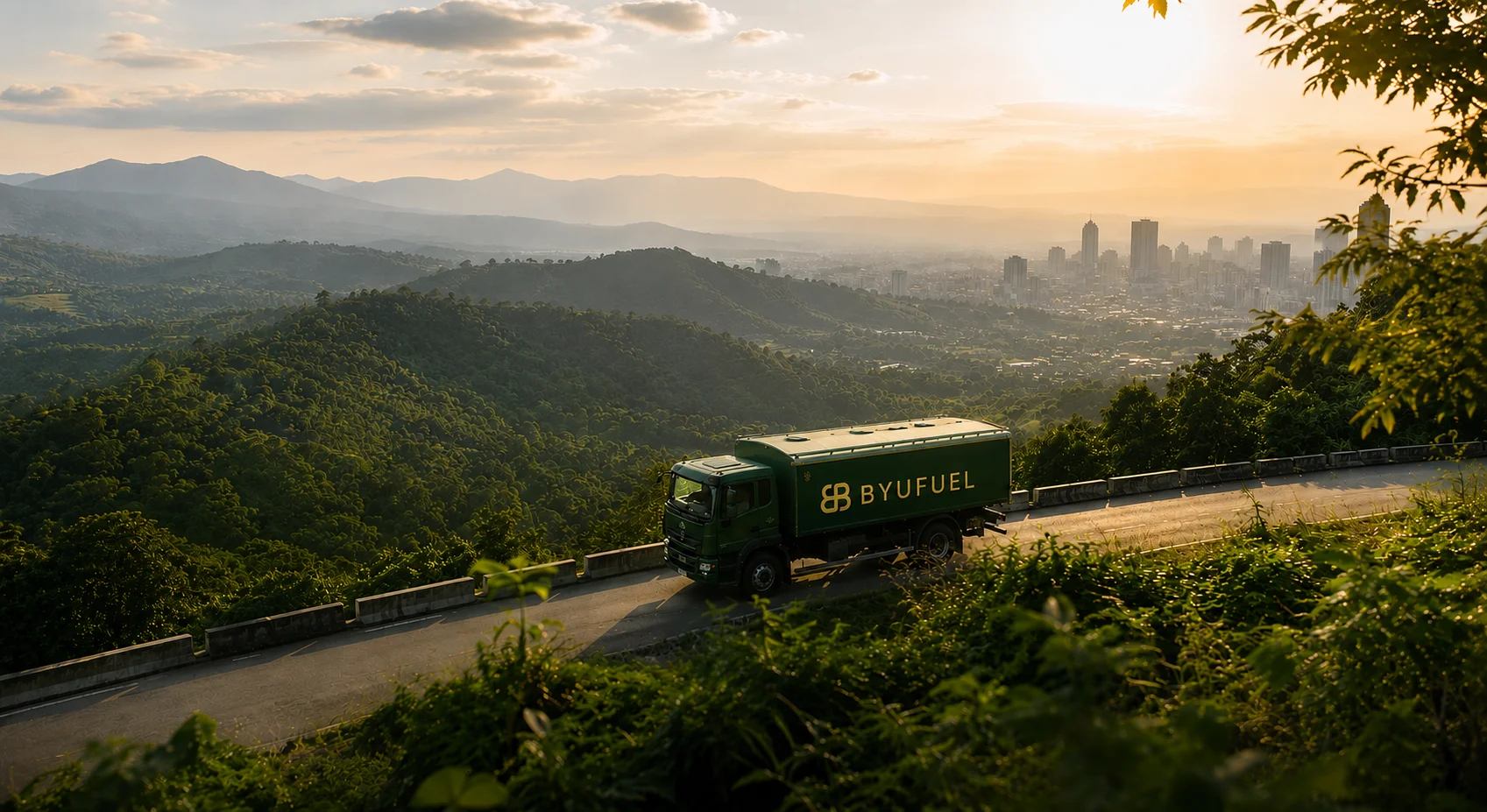
Every kilogram of used cooking oil is tracked from collection to refinery through a fully traceable supply chain, powering the world’s Sustainable Aviation Fuel and biodiesel transition.
Across India, the numbers tell the story through measurable, verified impact
Cities Served
Active UCO collection operations across Tier 1 and Tier 2 markets in India
Food Outlets Covered
Restaurants, hotels, cloud kitchens, and food processors within our active network
Used Cooking Oil Collected
Verified, traceable UCO dispatched to refineries since launch
CO₂ Abated
Emissions reduced through verified UCO feedstock
Active Suppliers
Food businesses active on the BYUFUEL platform
Payment Turnaround
Real-time digital payments directly to supplier accounts upon verified UCO collection
Unscrupulous collection practices and adulteration leading to quality issues, non-compliance, and fraud.
Weak recycling infrastructure and poor regulatory enforcement drive non-compliance, fraud, and environmental risks
Exploited, untrained, and underpaid informal workers — trapped in an inhumane system that fuels inefficiency and compliance risks
Robust operational playbooks with rigorous SOPs every collection standardised, documented, and fully auditable
Fully owned hyper-local supply chain with end-to-end traceability and full regulatory compliance
Trained workforce, fair wages, and dignified working conditions building India’s first formalised UCO collection network.
Numbers on their own rarely tell the full story. Here’s what BYUFUEL’s cumulative carbon displacement looks like in terms you can visualise and truly understand.
Trees Planted Equivalent
The number of trees that would need to grow for a decade to absorb the same volume of carbon dioxide displaced through BYUFUEL’s supply chain.
Cars Off the Road
Equivalent to removing over 650 petrol-powered cars from Indian roads for an entire year — every tank of fossil fuel replaced by clean, verified biofuel feedstock.